
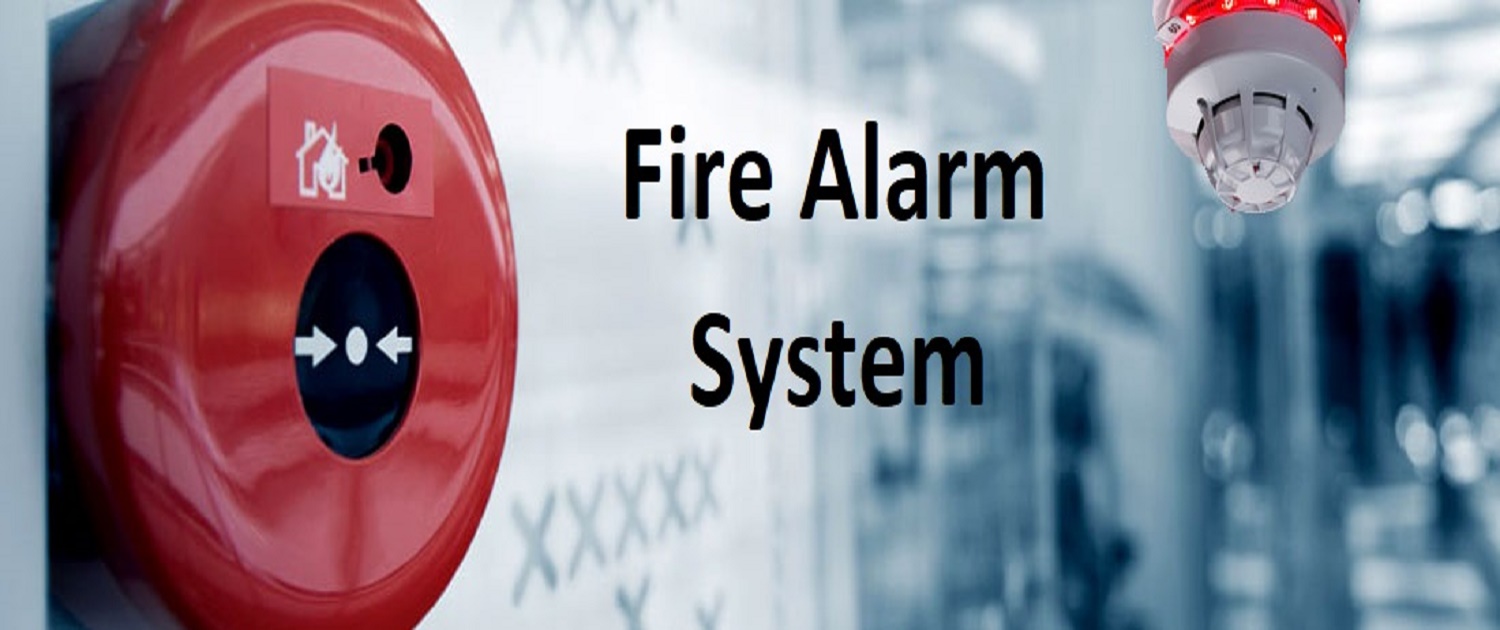
About Fire Alarm System
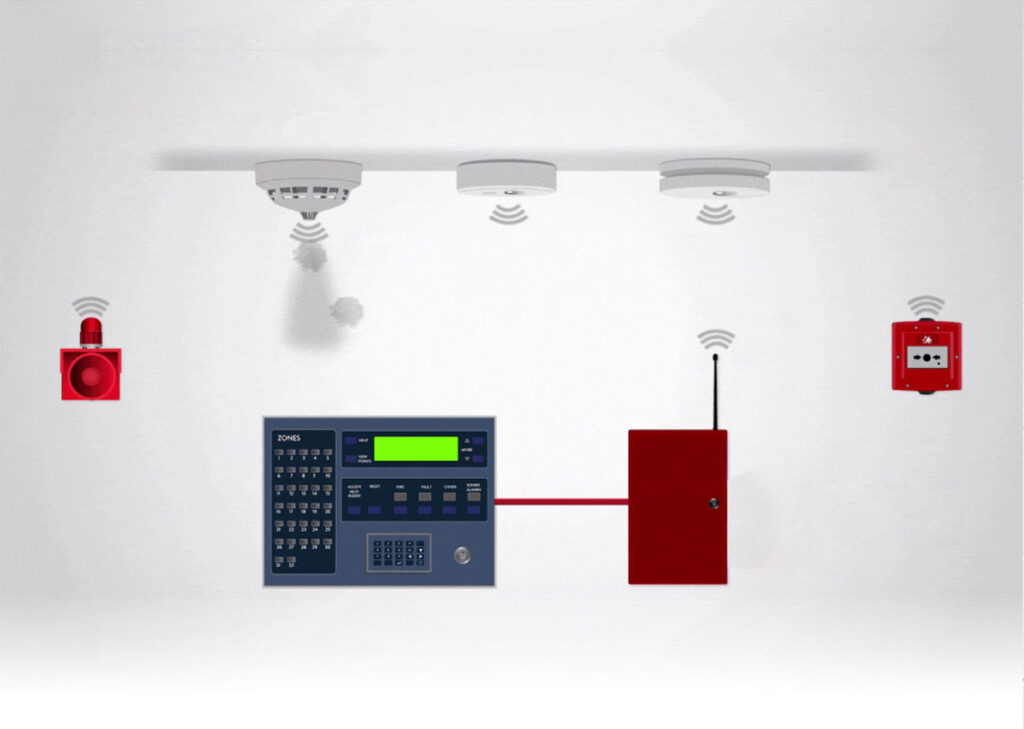
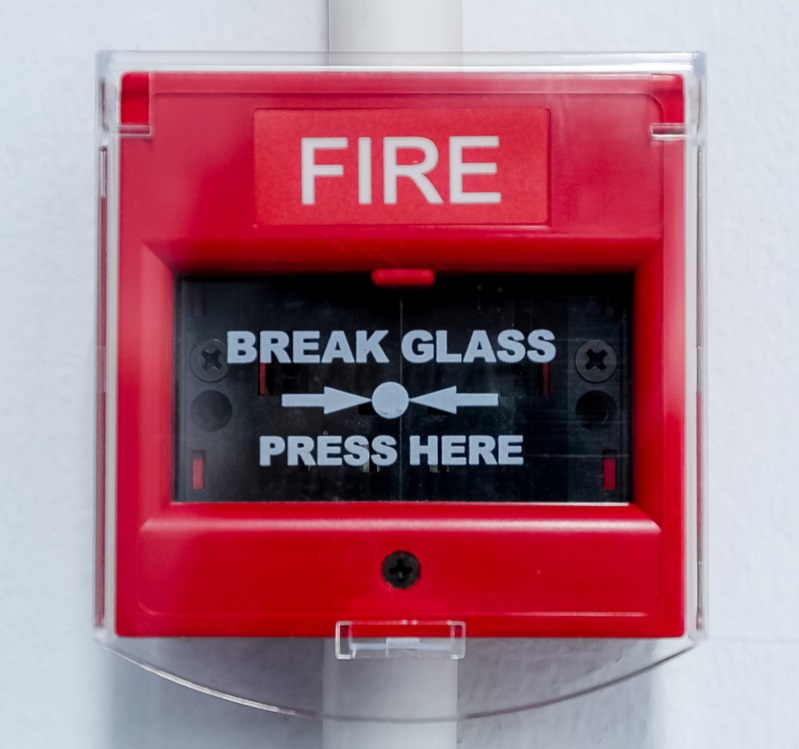
A fire alarm system is a building system designed to detect, alert occupants, and alert emergency forces of the presence of fire, smoke, carbon monoxide, or other fire-related emergencies. Fire alarm systems are required in most commercial buildings. They may include smoke detectors, heat detectors, and manual fire alarm activation devices (pull stations). All components of a fire alarm system are connected to a fire alarm control panel. Fire alarm control panels are usually found in an electrical or panel room. Fire alarm systems generally use visual and audio signalization to warn the occupants of the building. Some fire alarm systems may also disable elevators, which are unsafe to use during a fire under most circumstances
The benefits of fire alarm system are:
- Fire can be detected at the outset itself as provide early detection of fire..
- Ensure ultimate safety by warning and keep people safe.
- Reduce the amount of destruction to a building.
- Fire alarms provide early detection of fire.
- Life safety and property safety.
- Quality, timely, and affordable system installation.
- Quick response times with integration of systems.
Types of Fire Alarm Systems:
- Conventional Fire Detection Systems
- Hybrid Two-Wire Conventional Systems
- Aspirating Smoke Detection Systems
- Radio-Controlled Fire Systems
- Addressable Fire Alarm Systems
Brief Description of types of Fire Alarm System
About Conventional Fire Detection Systems
- A conventional fire alarm system is the most basic commercial system available – and generally the lowest cost system in terms of parts. The system operates on single-wire basis with detectors and manual call points being located along the wire, finishing with an End of Line Unit
About Hybrid Two-Wire Conventional Systems
- A two-wire fire alarm system is a more advanced conventional system where the fire alarm operates on a radial circuit. Two-wire systems eliminate the need to separate the sounders and detection devices operating to an EOL similar to a conventional system.
About Addressable Fire Alarm Systems
- An addressable fire alarm system is more advanced than conventional and hybrid two-wire systems, where the fire alarm operates on a loop circuit rather than a radial circuit (all devices and cabling start and end at the control panel rather than ending at an End Of Line unit). This allows for major advantages, such as the continued operation of the detection system in the event of a fault on a single device or loop.
About Aspirating Smoke Detection Systems
- An Aspirating Smoke Detection (ASD) System is a type of smoke detection system that uses a network of pipes to actively sample air from an area and detect the presence of smoke particles. The system works by using a fan to draw air through a network of pipes and into a detection chamber, where it is analysed for the presence of smoke particles. The system is highly sensitive and can detect smoke particles at very low levels, making it ideal for use in applications where early detection of smoke is critical, such as in data centres, museums, and archives.
About Radio-Controlled Fire Systems
- A Radio Controlled Fire System is a fire alarm system that uses radio signals to communicate between the fire alarm control panel and the individual fire detection devices.The system works by using a wireless radio network to transmit information between the control panel and the devices, such as smoke detectors and heat detectors, that are installed throughout the building. When a fire is detected, the device sends a signal to the control panel, which then activates the alarm system and alerts building occupants.

Maintenance
- It includes implementation of changes that software might undergo over a period of time.
- Implementation of new requirements after the software is deployed at the customer location.
- We’ll be here for you in the future to make any content or structural updates to your site.